Land development is a complex, multi-stage process—and one of the most common questions property owners and investors ask is: how long does it actually take?
In Alberta, timelines can vary significantly depending on the size of the project, municipal requirements, and site conditions. Understanding what to expect can help you plan more effectively and avoid costly delays.
Typical Land Development Timeline in Alberta
While every project is different, most land development projects follow a general timeline that can range from several months to multiple years.
1. Initial Planning and Feasibility (1–3 months)
This stage includes:
- Site evaluation
- Zoning review
- Environmental considerations
- Preliminary design concepts
At this point, the goal is to determine whether the land is suitable for development and what constraints may exist.
2. Design and Engineering (2–6 months)
Once feasibility is confirmed, detailed planning begins:
- Civil engineering plans
- Grading and servicing layouts
- Stormwater management design
This phase requires coordination between engineers, planners, and municipal guidelines to ensure compliance.
3. Municipal Approvals (3–12+ months)
Approvals are often the longest and most variable stage.
This may include:
- Rezoning (if required)
- Subdivision applications
- Development permits
Timelines depend heavily on the municipality, complexity of the project, and whether revisions are needed.
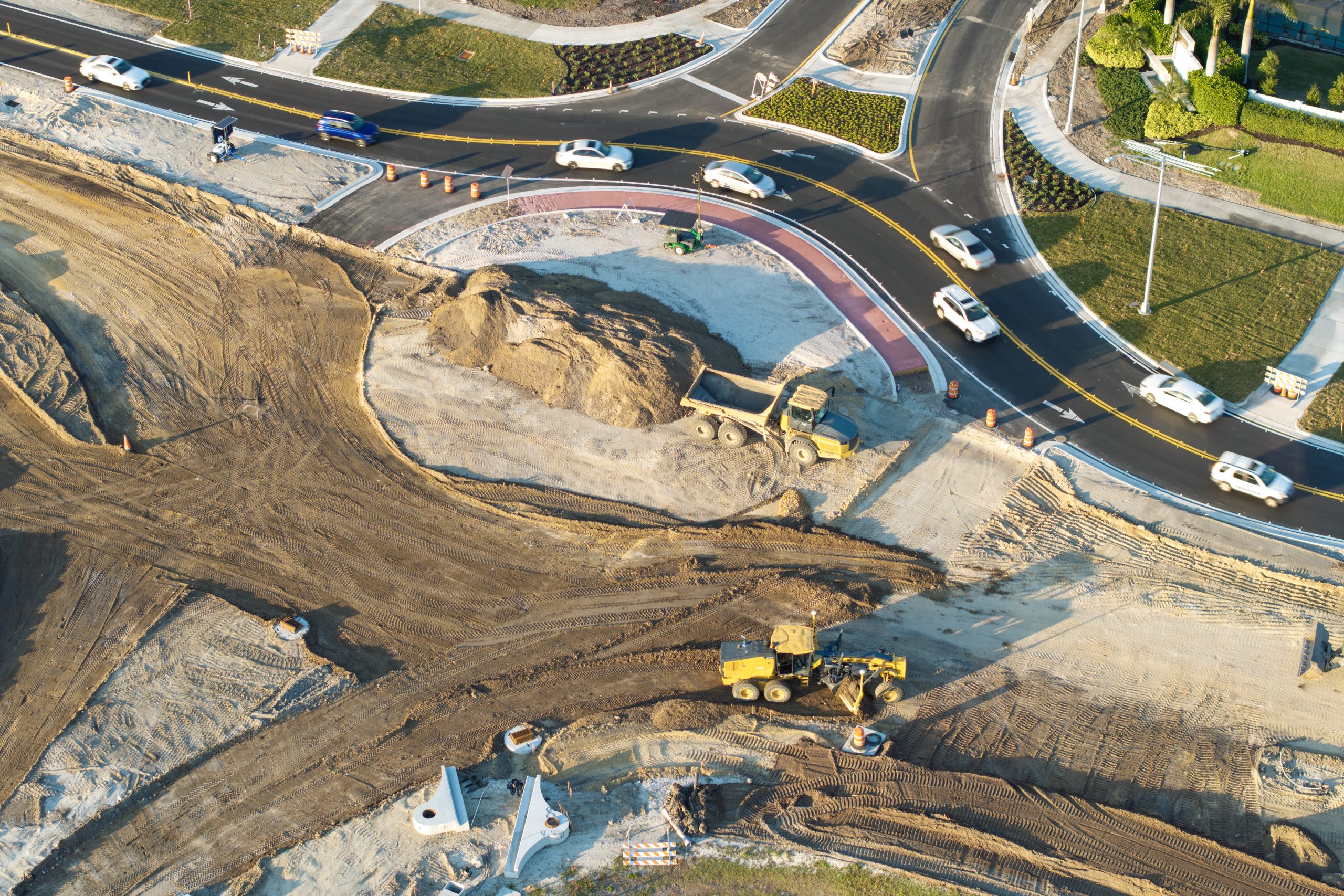
4. Construction and Servicing (3–9 months)
Once approved, physical development begins:
- Site grading
- Utility installation (water, sewer, storm)
- Road construction
Weather conditions in Alberta can also impact this phase, particularly during winter months.
5. Final Approvals and Lot Readiness (1–3 months)
After construction:
- Inspections are completed
- Municipal sign-off is obtained
- Lots are prepared for sale or building
- What Can Impact Development Timelines?
Several factors can either speed up or delay a project:
Municipal Requirements
Each municipality has its own approval processes and timelines.
Project Complexity
Larger or mixed-use developments require more coordination and review.
Site Conditions
Soil quality, drainage, and environmental constraints can introduce delays.
Market Conditions
Demand and economic conditions may influence how quickly projects move forward.
How to Keep Your Project on Track
Working with an experienced development team is one of the most effective ways to manage timelines.
A well-planned project benefits from:
- Clear communication with municipalities
- Accurate engineering and documentation
- Proactive problem-solving
Conclusion
Understanding land development timelines is key to planning a successful project. While timelines can vary, having the right team and a clear process in place makes a significant difference.
If you’re considering a development project in Alberta and want clarity on timelines, feasibility, and next steps, connect with the team at Saga Development. We’re here to help guide your project from initial planning through to completion.
You can learn more about our approach or get started by contacting our team directly.